Badger Conservation Laws in the UK: A Plain-English Explainer
Badgers are among the most legally protected wild mammals in Britain. That protection is not a vague sentiment written into guidance somewhere — it is specific, it is enforceable, and it catches out people who mean no harm at all. A landowner tidying a hedge in March, a contractor laying a driveway, a dog walker whose terrier disappears down a hole: all three can end up on the wrong side of the law without ever intending to. Here is what the rules actually say.
The law in brief
The backbone is the Protection of Badgers Act 1992, which applies in England, Wales and Scotland. In Northern Ireland, badgers are protected under the Wildlife (Northern Ireland) Order 1985.
The Act protects two things at once: the animal and its home. Badgers themselves cannot be killed, injured, taken or cruelly ill-treated, and it is an offence to dig for one. Separately, a badger sett is protected in its own right — you do not have to harm a badger to commit an offence, only interfere with where it lives.
Enforcement sits with the police, supported by specialist wildlife crime officers and the statutory conservation bodies: Natural England, Natural Resources Wales, NatureScot and, in Northern Ireland, DAERA. Penalties vary by nation and by offence, but the more serious ones can carry an unlimited fine and a custodial sentence.
What counts as a sett
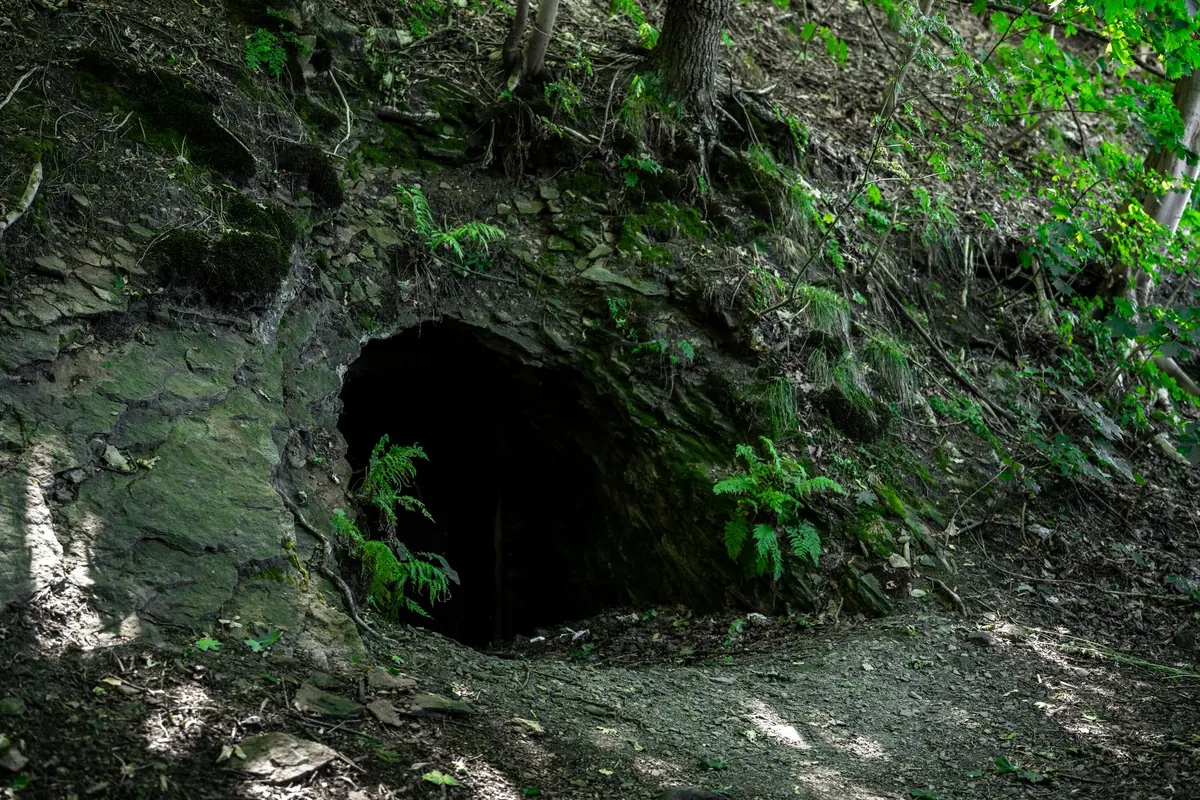
This is where most misunderstandings start. A sett is not simply any hole in a bank. The legal definition is a structure or place that displays signs indicating current use by a badger.
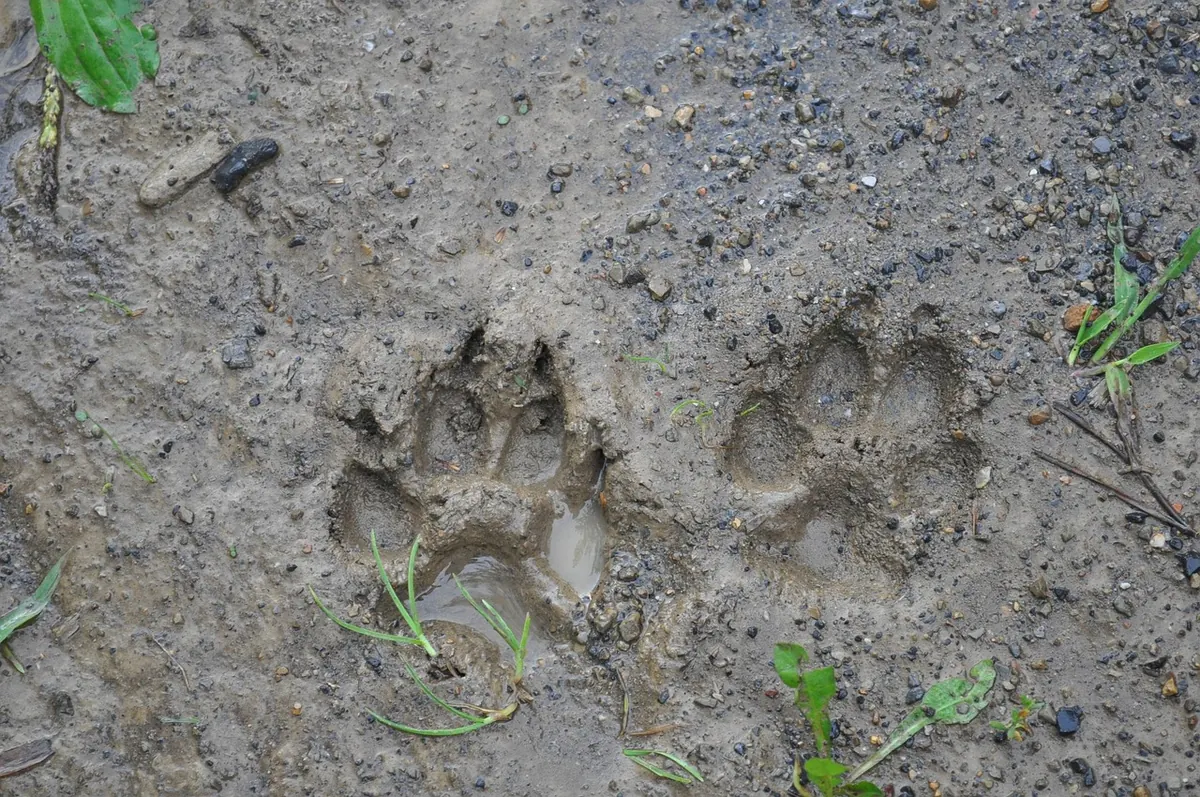
So look for evidence: fresh spoil heaps outside the entrance, footprints in the loose soil, black-and-white hair snagged on fencing, latrine pits nearby, bedding dragged in or out. A worn path between entrances is another strong sign.
Badger setts are usually described in four ways, and the differences matter for survey work:
- Main sett — the large, well-established home, usually occupied year-round.
- Annexe sett — close to a main sett, often joined to it by well-worn paths.
- Subsidiary sett — smaller, used on and off.
- Outlier sett — one or two holes, used occasionally, sometimes for a single night.
Legal protection is not limited to main setts. If it shows current use, it counts — even if it looks modest.
What "interference" actually means
The word sounds dramatic. In practice it covers a lot of ordinary activity, including damage caused by neglect or carelessness. Offences include:
- Damaging or destroying a sett, or any part of it.
- Obstructing access to a sett, or obstructing its ventilation.
- Disturbing a badger while it is occupying a sett.
- Causing a dog to enter a sett.
- Digging for a badger, or marking, tagging or ringing one without a licence.
- Killing, injuring, taking or cruelly ill-treating a badger.
- Selling, or keeping for sale, a dead badger or any part of one.
- Possessing equipment — badger tongs, for instance — that could be used to commit an offence.
Read that list again with a building site in mind. Blocking an entrance with rubble because it sits where the fence line runs. Running a mini-digger across a spoil heap. Letting a terrier off the lead into a hedge. None of these require malice to be unlawful. In Scotland, the Wildlife and Natural Environment (Scotland) Act 2011 tightened matters further, so reckless interference can be enough — not just deliberate acts.
Licences: when interference can be legal
Some work genuinely cannot avoid a sett. Road schemes, pipelines, housing, forestry and railway maintenance all run into them. That is what licences are for, issued by the relevant statutory body for the nation concerned.
A licence is not a permission slip to do as you like. It sets out what may be done, when, by whom, and under what supervision. Typical purposes include development, science and education, conservation work, agriculture and forestry, and preventing the spread of disease.
Three things people get wrong
- Planning permission is not a licence. A council consent tells you nothing about badgers. The two systems are entirely separate.
- Timing matters. Licences commonly carry seasonal restrictions. In England, for example, sett work is often limited to a summer-to-autumn window, with a closed period protecting breeding and cub-rearing. Wales, Scotland and Northern Ireland have their own timings — check with the licensing body.
- It takes time. Surveys, applications and mitigation plans run to months, not weeks. Build that into your programme at the start, not the week before groundwork begins.
There is also a separate, tightly controlled licensing regime in England relating to bovine TB in cattle, which has shifted in recent years towards vaccination and testing rather than culling. The detail changes, so go to Defra and APHA for the current position rather than relying on what you read two years ago.
A final point: none of this is legal advice. If you are facing a specific prosecution, a dispute with a neighbour or a planning problem involving a sett, speak to a solicitor or the licensing authority directly.
If you suspect badger crime or disturbance
Badger baiting, digging and sett destruction are still with us. If you come across something that does not look right, how you react matters as much as what you saw.
- Do not intervene. Your safety comes first, and a confrontation can wreck a case before it starts.
- Note the details. Date, time, exact location, and a grid reference or what3words pin if you can get one.
- Record what you saw. People, vehicles, registration numbers, dogs, tools, direction of travel.
- Photograph from a safe distance. From a public right of way is fine. Do not trespass to get a better angle.
- Leave everything alone. Disturbed soil, snares and abandoned tools may be evidence.
- Report it. Call the police on 101 and ask for the wildlife crime officer. If it is happening now, dial 999. Crimestoppers takes anonymous reports on 0800 555 111. <
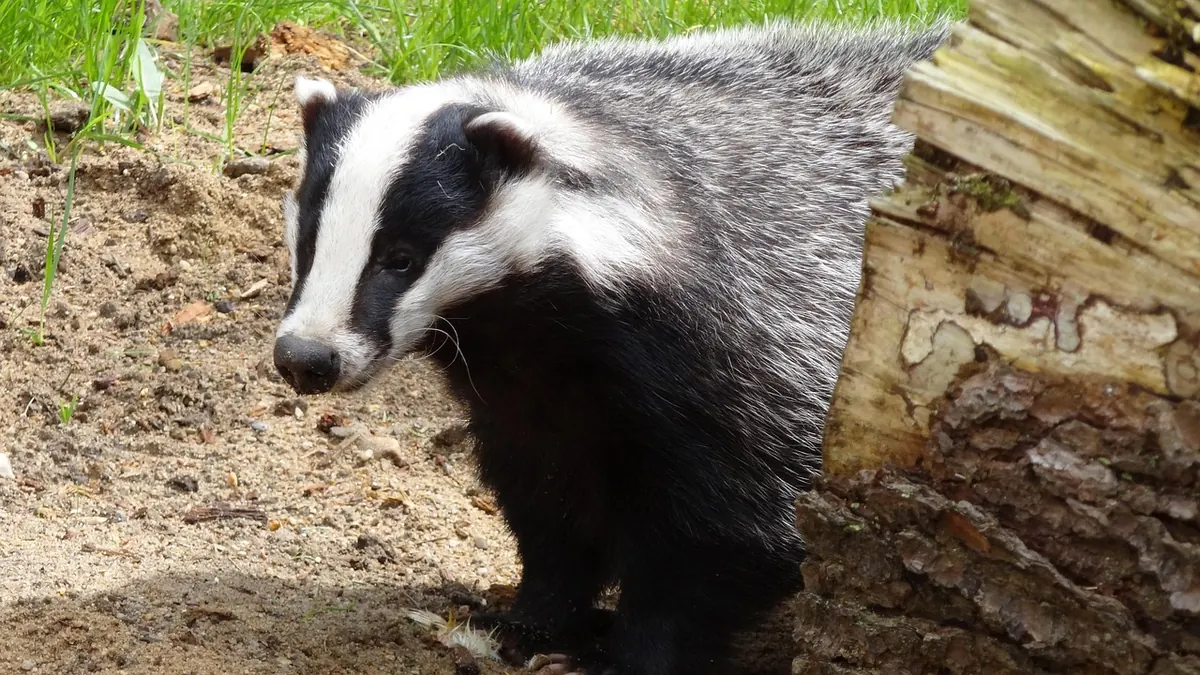
Photo: reijotelaranta / Pixabay

You Might Also Like
A practical, humane guide to fencing, gates, buried mesh and non-harmful deterrents that protect your garden boundary while respecting protected badgers.
Most badger cubs found alone are not orphaned. Here is how to tell when a cub genuinely needs help, why you should not handle it, and who to call.