Ethical Badger Watching: A Checklist for Dusk and Dawn
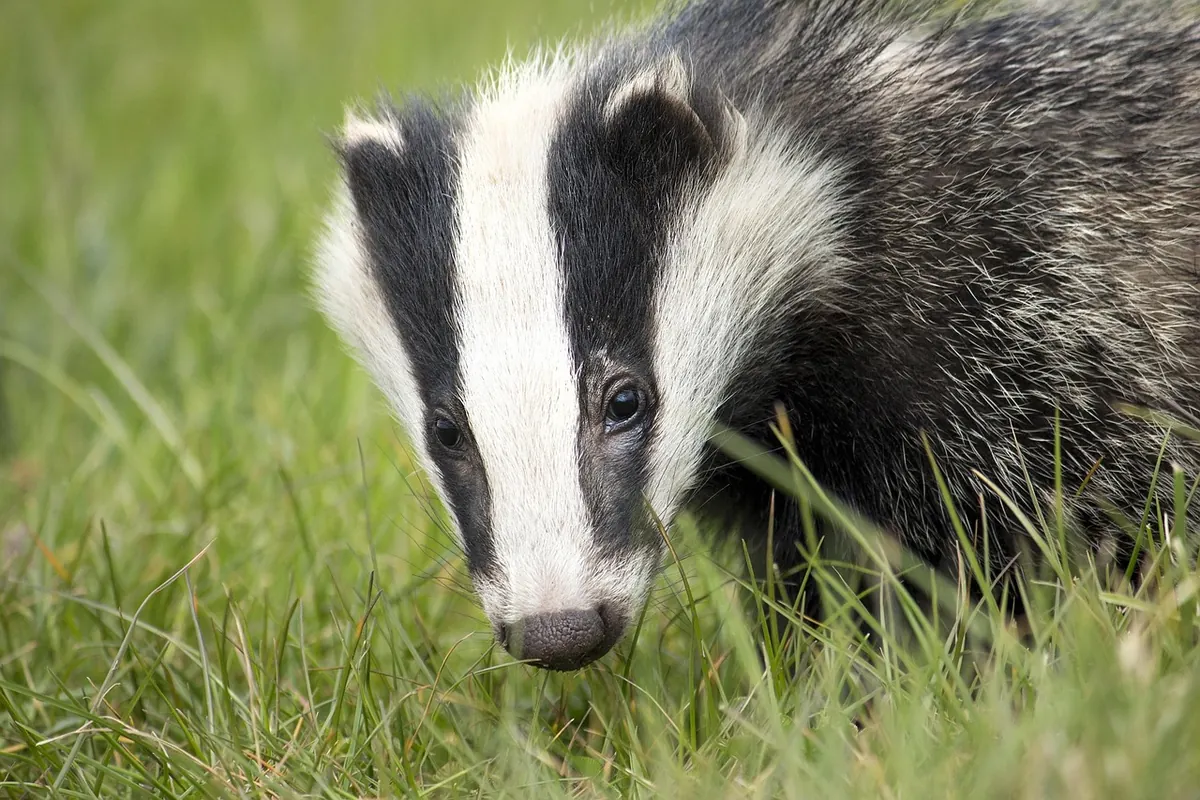
There is a moment, just after sunset on a warm evening, when a badger's striped face appears at the mouth of a sett and everything else falls away. No traffic, no phone, no to-do list. Just you, a hedge, and one of Britain's most misunderstood mammals going about its evening. It is a privilege to see, and like all privileges, it comes with responsibilities.
Badger watching is not difficult, but it is easy to get wrong. A careless approach can disturb a clan, push cubs back underground, or make a sett feel unsafe for weeks. None of that is necessary. With a bit of planning, you can watch badgers without them ever knowing you were there — which is exactly how it should be.
Why Ethics Matter More Than a Good View
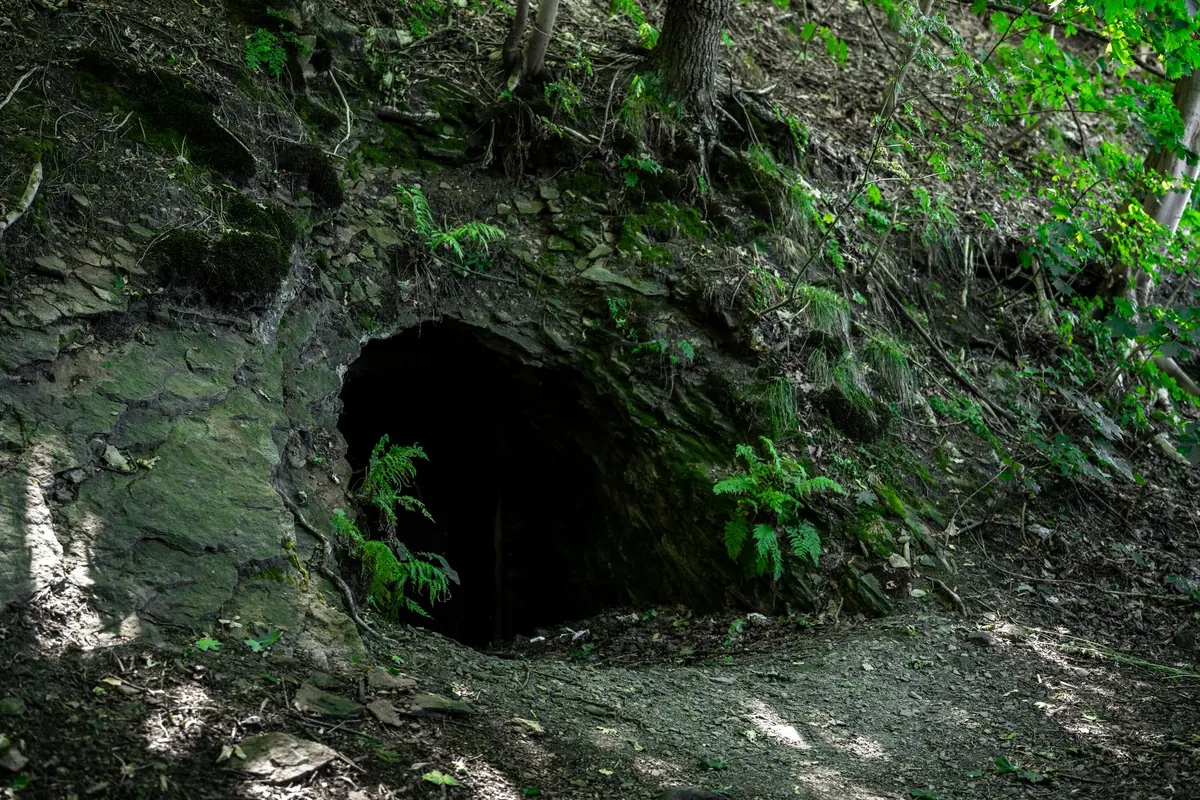
Badgers are creatures of habit. A clan may use the same sett for generations, emerging at roughly the same time each evening and following familiar paths to feeding grounds. That predictability is what makes them watchable, but it also makes them vulnerable. Repeated disturbance — even something as simple as a torch beam or a human scent left too close to an entrance — can disrupt feeding, breeding and the rearing of cubs.
Disturbance is also a welfare issue, not just a wildlife one. Badgers that feel threatened may abandon a sett entirely, and cubs that are separated from the clan during a hasty retreat can be left vulnerable. Setts are legally protected in the UK, and interfering with them — including reckless disturbance — can have serious consequences. The good news is that ethical watching is not restrictive. It simply means watching on the badgers' terms rather than your own.
Approach With the Wind in Your Face
If there is one thing that will ruin your chances faster than anything else, it is wind direction. A badger's sense of smell is far sharper than ours, and a sett sits in a bowl of scent that carries for a surprising distance. Approach with the wind at your back and you will be detected long before you see anything.
Before you set off, check the forecast and work out which way the breeze is blowing. Then plan a route that puts you downwind of the sett — that is, with the wind coming towards you from the badgers' direction. If the wind shifts while you are in position, do not stubbornly stay put. Move quietly to a new spot or, better still, come back another evening. A steady wind is workable; a swirling one is not.
Quick pre-watch checks
- Check the wind direction twice — once at home, once on arrival.
- Pick a position downwind and upwind of nothing you want to smell like.
- Avoid strong scents on yourself: no perfume, scented deodorant or fabric conditioner on your outer layers.
- Wear quiet, dark clothing that blends in and does not rustle when you shift position.
- Arrive early and settle before the badgers emerge, not while they are already out.
Red Light, Little Light, No White Light
Torches are the second most common mistake. A white beam, even a brief flash, is harsh enough to send a badger bolting for cover. Red light is gentler on their eyes and far less alarming, which is why it is the standard choice for responsible watching. Use a red filter or a red LED torch, keep it dim, and keep the beam low and pointed at the ground rather than at the animals.
Even with red light, less is more. Give your eyes time to adjust to the dark before you turn anything on, and use natural light — a moon, the last of the dusk — wherever you can. If you must switch on, do it briefly and steadily rather than sweeping the beam around. Flickering light reads as a threat; a soft, constant glow does not.
Light discipline in practice
- Turn off all notifications and screen brightness on your phone. A glowing screen is a white torch.
- Set your red torch to its lowest usable setting before you arrive, so you are not fumbling in the dark.
- Avoid camera flashes entirely. They are startling and pointless at this range.
- If a badger looks towards you and freezes, switch off and wait. Do not stare it out.
Keep Your Distance and Stay Still
Badgers have poor eyesight but excellent hearing and an extraordinary sense of smell, so the goal is to be boring: still, quiet and unthreatening. How far is far enough? A sensible rule of thumb is to stay at least 10 to 15 metres from an active sett, and further if the ground is open or the clan seems nervous. If a badger stops feeding, stares in your direction, or turns back towards the sett, you are too close.
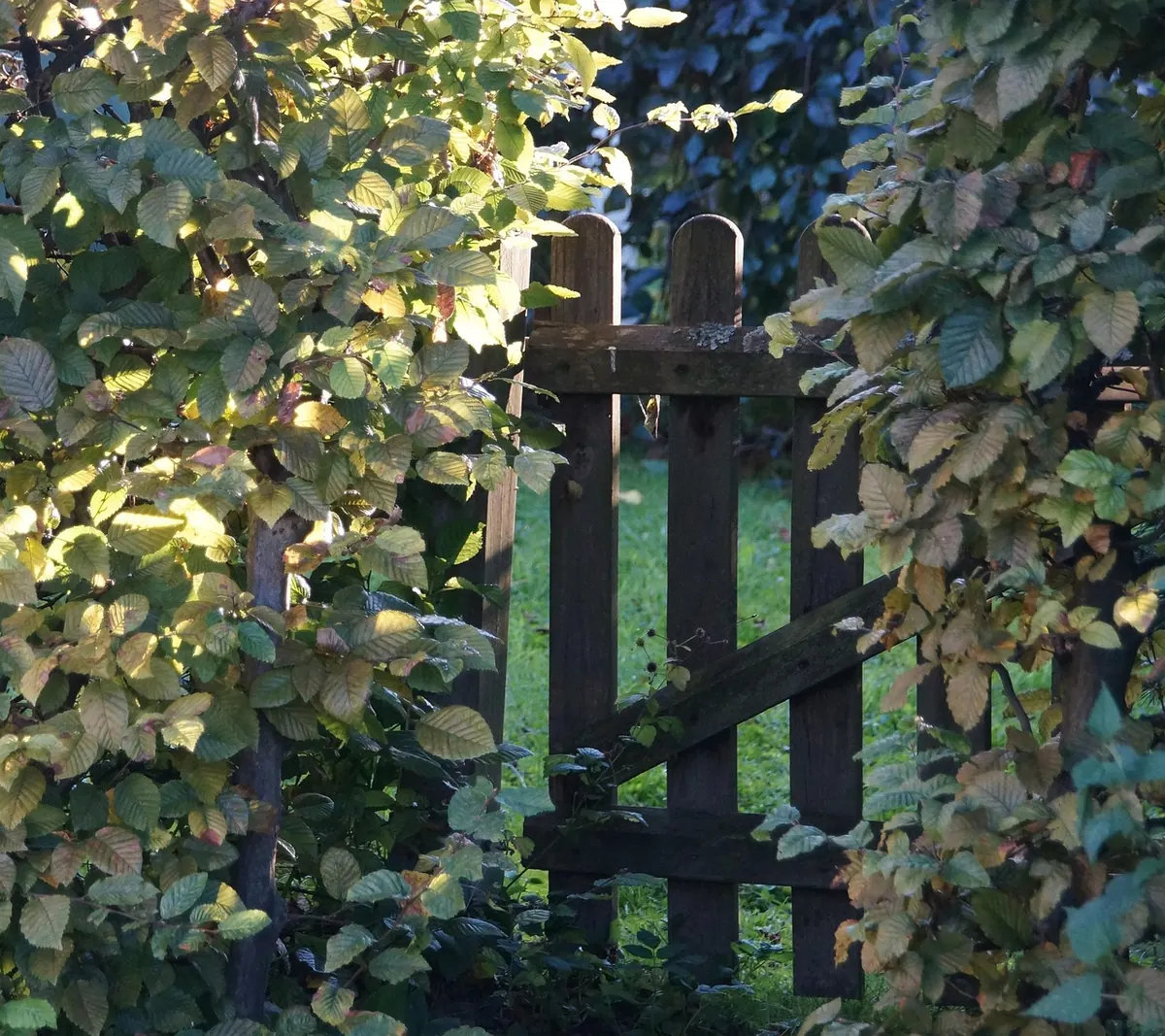
Choose a position that breaks up your outline — behind a hedge, beside a fallen trunk, at the edge of a field — rather than sitting in the open. Sit low, keep movements slow and minimal, and resist the urge to creep closer when a cub appears. A better view is not worth a disrupted evening for the whole clan. Binoculars or a spotting scope will do far more for your view than any number of extra metres.
Leave No Trace — and Take Nothing Away
Ethical watching ends when you stand up to leave. Take everything home with you: wrappers, bottles, apple cores, the lot. Food waste attracts foxes, rats and dogs, changes the local wildlife dynamic, and can draw attention to a sett you would rather keep quiet. Do not pick flowers, break branches to make a hide, or move logs around a sett entrance. If a branch is in your way, sit somewhere else.
Keep the location of setts to yourself, particularly online. Sharing precise locations on social media can turn a quiet clan into a tourist attraction within a season. If you are watching on private land, make sure you have permission, and leave gates as you find them. Dogs should stay at home or on a short lead well away from the sett — badgers are more than capable of defending themselves, and a confrontation ends badly for everyone.
One more note on wellbeing: badgers can carry bovine TB, and although the risk to humans is very low, you should never handle a badger, a cub or anything they have left behind. If you find an injured or apparently orphaned badger, do not intervene yourself. Contact a licensed wildlife rehabilitator or your local badger group, who will know what to do.
Your Dusk and Dawn Checklist
Before you go: check the wind and plan a downwind approach; pack a dim red torch; leave the perfume and the dog at home; confirm you have permission if the land is private; and tell someone where you are going and when you expect to be back.
On site: arrive early, settle quietly, and stay low and still. Keep at least 10 to 15 metres back, use red light sparingly, and never approach a sett entrance. If the badgers react to you, back off and try again another evening.
On the way home: take every scrap of litter, leave the sett exactly as you found it, and keep the location to yourself. Watch, enjoy, and let the badgers carry on as if you were never there — that is the mark of a good evening's watching.
Photo: diego_torres / Pixabay
You Might Also Like
A practical, humane guide to fencing, gates, buried mesh and non-harmful deterrents that protect your garden boundary while respecting protected badgers.
Most badger cubs found alone are not orphaned. Here is how to tell when a cub genuinely needs help, why you should not handle it, and who to call.