How to Create a Badger-Friendly Garden Without Encouraging Setts
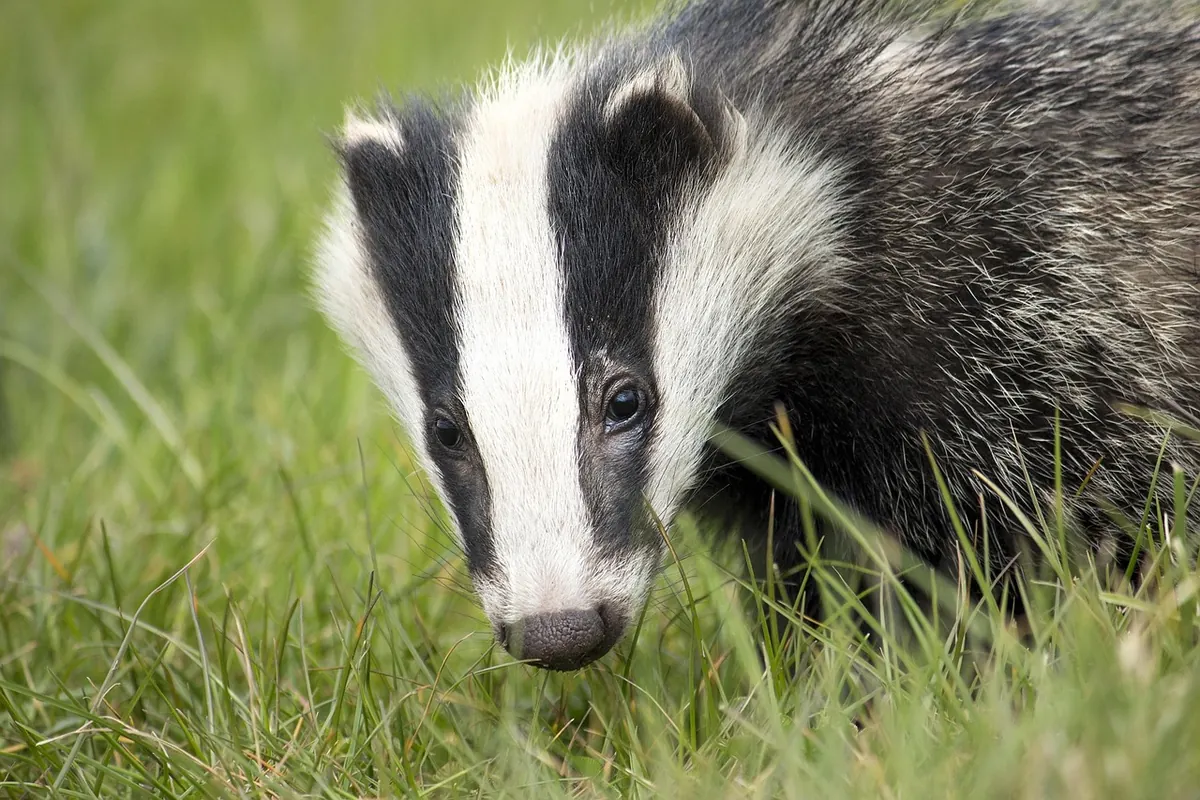
Badgers are creatures of habit. They follow the same routes night after night, sniffing along hedgerows and lawns for earthworms, beetles and fallen fruit. A garden that offers those things can be a genuine help to local badgers, especially where hedges have been lost and development has squeezed their territory. The trick is to make your plot useful for foraging and safe for travelling without turning it into an attractive place to dig a sett. That means thinking about planting, water, boundaries and light—and knowing when to leave well alone.
Know what a badger-friendly garden is—and is not
A badger-friendly garden is not a feeding station or a building site for new setts. Most badgers already have a main sett nearby, often in a hedgerow bank, woodland edge or railway embankment. They visit gardens to eat, drink and move between patches. If your garden is quiet, has soft soil, dense cover and a reliable food supply, it may also look like a good place to dig. That is where problems start: setts are protected, and once badgers are established, options are limited. Your aim is to offer a corridor and a larder, not a five-star hotel.
Plant for foraging, not for bedding
Badgers are omnivores with a strong preference for earthworms, but they also eat insects, slugs, beetles, small mammals, carrion, fruit, nuts and seeds. Planting a range of native species supports the invertebrates and fruit they rely on. Good choices include:
- Native hedging: hawthorn, blackthorn, hazel, field maple, dog rose and guelder rose.
- Fruiting trees: crab apple, wild cherry, elder and rowan. Fallen fruit is a useful autumn food source.
- Wildflower patches: clover, bird's-foot trefoil, knapweed, oxeye daisy and yarrow, which feed insects and improve soil.
- Rough grass edges: leave a metre-wide strip uncut along fences or hedges. This shelters worms, beetles and slugs.
Avoid planting dense evergreen blocks right against sheds, conservatories or house walls. They create the kind of dry, quiet, covered ground that badgers may test with their claws. If you want cover, keep it at least a few metres from buildings and keep the ground beneath it firm and open.
Manage lawns and soil without inviting excavation
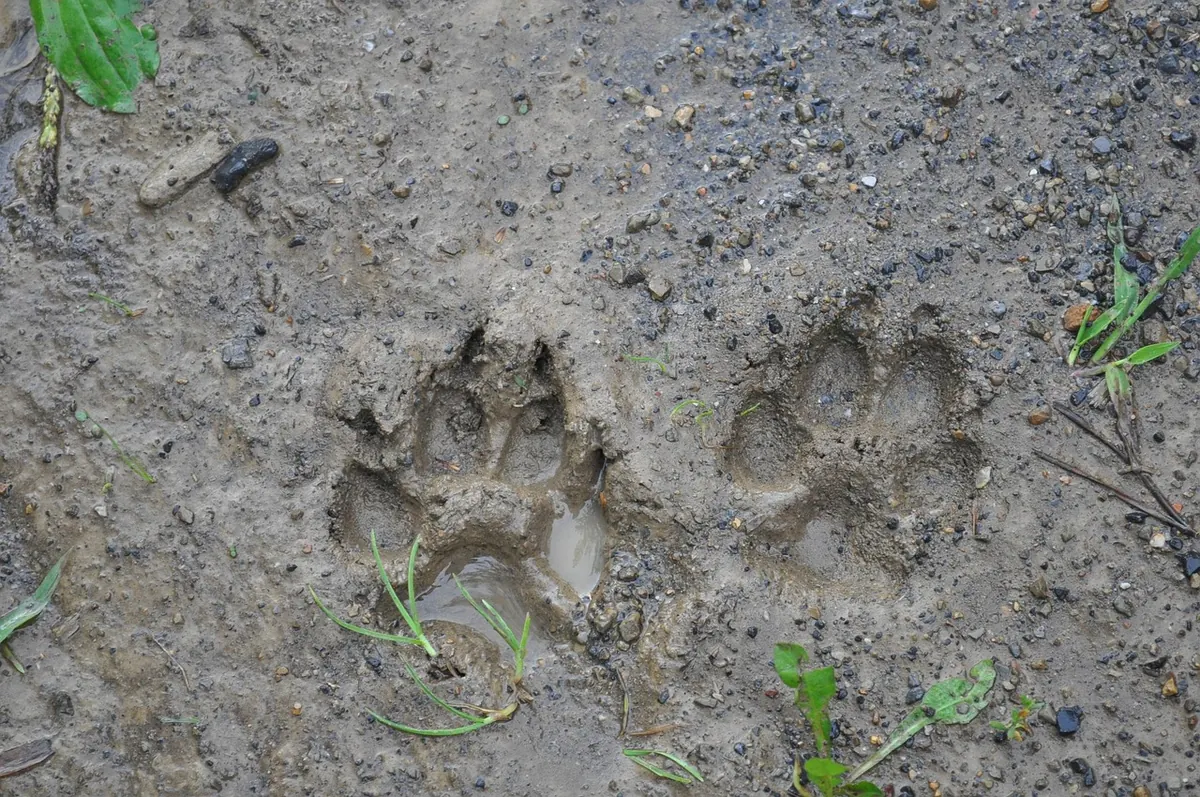
Badgers dig small, cone-shaped holes—often called snuffle holes—when they are hunting grubs. A few holes in a lawn are usually a sign of healthy soil life, not a sett. If you want fewer, reduce the number of leatherjackets and chafer grubs. Aerate compacted areas, keep the sward reasonably thick and avoid broad-spectrum pesticides that kill the predators of these grubs. Waterlogged lawns and newly laid turf are especially attractive because they are easy to root through.
If badgers are regularly digging in one spot, check whether you are inadvertently feeding them. Fallen fruit, open compost, spilled birdseed and pet food are all invitations. Use sealed compost bins, clear fallen fruit from patios and bring bird feeders in at night. Do not use chemical repellents, sharp objects or homemade mixtures: they are unreliable, can harm wildlife and may be illegal. Making the area less rewarding is safer and more effective.
Make ponds and water features safe
Badgers can swim, but they can struggle to climb out of steep-sided ponds, especially if the liner is smooth or the edges are undercut. A drowning is distressing and entirely avoidable. If you have a pond, create at least one shallow shelf, a gently sloping beach or a stable ramp of rough stones. Keep the water level steady so the exit route stays usable. A piece of roughened timber angled into the water can help, but it must be secured so it cannot roll.
Check water butts, troughs and drains too. A simple stick or ramp gives small mammals and birds a way out, and it is worth checking them after heavy rain. If you are unsure about the safety of a pond or need to work near water, take sensible precautions and seek professional advice for anything involving children, livestock or deep water.
Keep night-time routes open—but not too comfortable
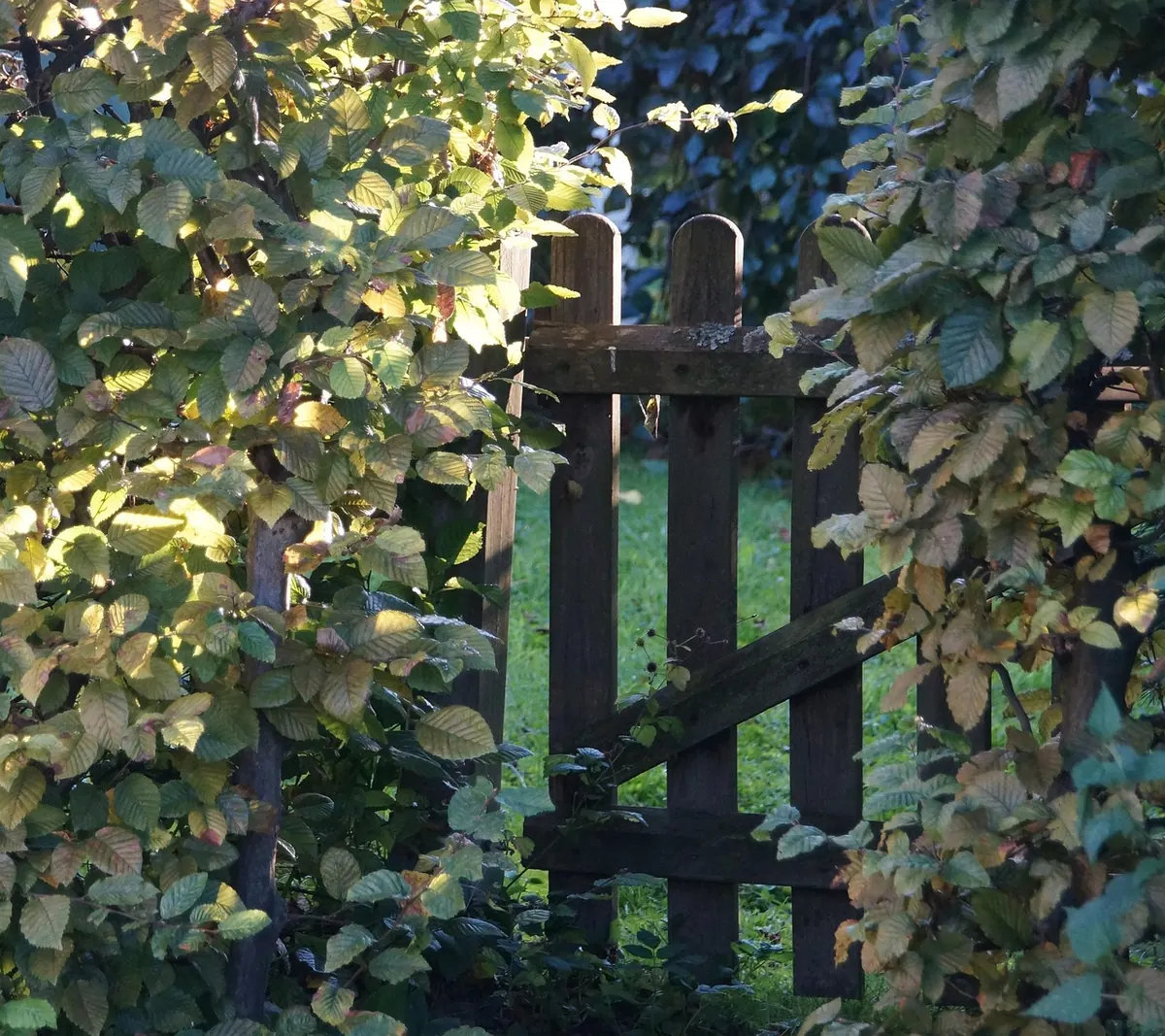
Badgers travel along familiar paths, often using the same gap under a fence or gate. If you want to help them, leave a route through your boundary rather than forcing them onto roads. A badger gate—a small opening in a fence—is the usual solution. Check local guidance for the right size and position, and make sure it does not compromise security or let pets escape. Avoid solid gravel boards along the whole boundary if badgers already pass through; they may dig under them, which can undermine fences.
At night, keep the garden dark where possible. Badgers are sensitive to sudden bright light. Use motion sensors only where needed, aim lights downwards and choose warm, low-intensity bulbs. A dark corridor from a hedge to a rough grass edge is more useful than a brightly lit lawn. If you have a dog, bring it in at dusk and keep it away from known badger paths. Dogs and badgers can injure each other, and a noisy encounter can discourage badgers from using a safe route.
Discourage setts without causing harm
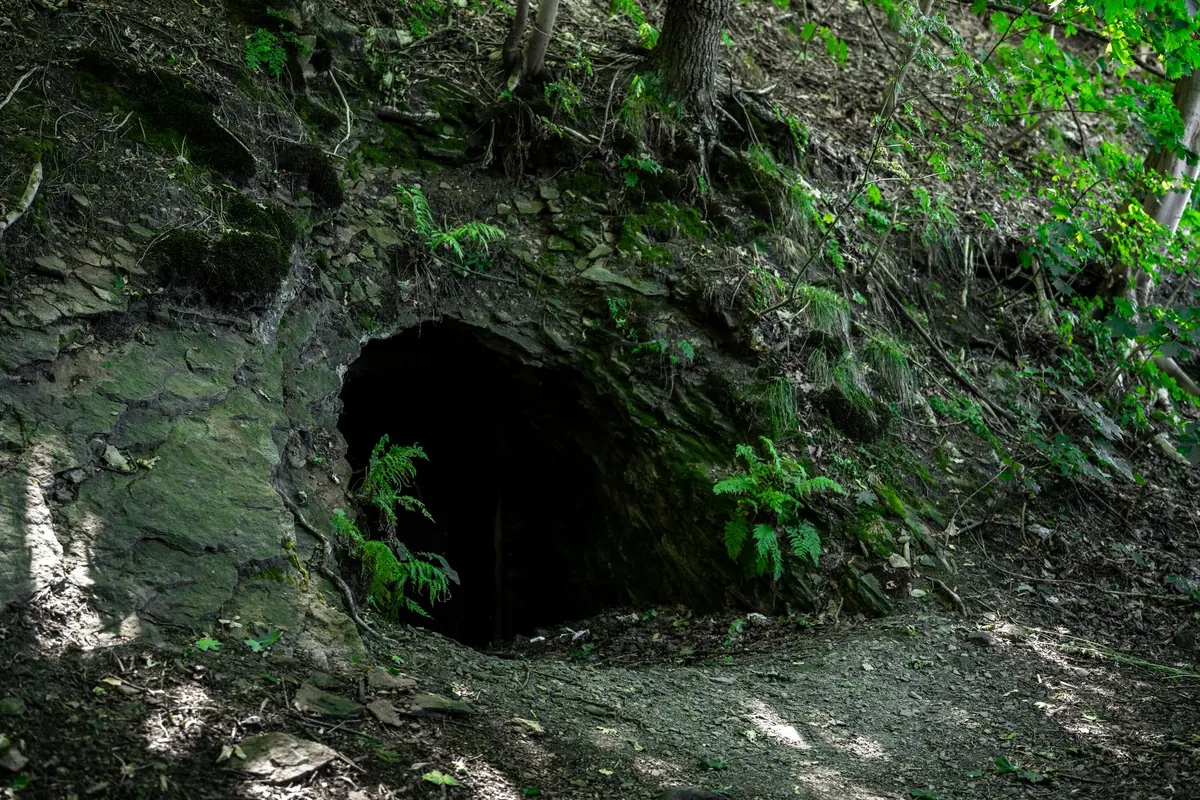
A sett is more than a hole. It is a network of tunnels and chambers, often with large spoil heaps, bedding, latrines and well-worn paths. Badgers may dig exploratory holes, but a true sett is used repeatedly. If you see fresh digging, stop and watch from a distance. Do not block holes, fill them in, pour anything down them or light fires nearby. Badgers and their setts are protected in the UK, and disturbing them can be an offence. If you think a sett is being established, contact a local badger group or the relevant statutory agency for advice before doing anything.
Prevention is easier. Keep soil around sheds, decking and house foundations firm and free of dense cover. Remove food sources and secure bins. Avoid creating banks of soft, disturbed earth near buildings. If badgers are digging under a vulnerable structure, seek expert advice on humane exclusion and structural protection. Never try to solve the problem with chemicals, sharp barriers or violence.
A balanced badger garden

You Might Also Like
A practical, humane guide to fencing, gates, buried mesh and non-harmful deterrents that protect your garden boundary while respecting protected badgers.
Most badger cubs found alone are not orphaned. Here is how to tell when a cub genuinely needs help, why you should not handle it, and who to call.