The UK Badger Cull Debate: What the Latest Evidence Means for Conservation
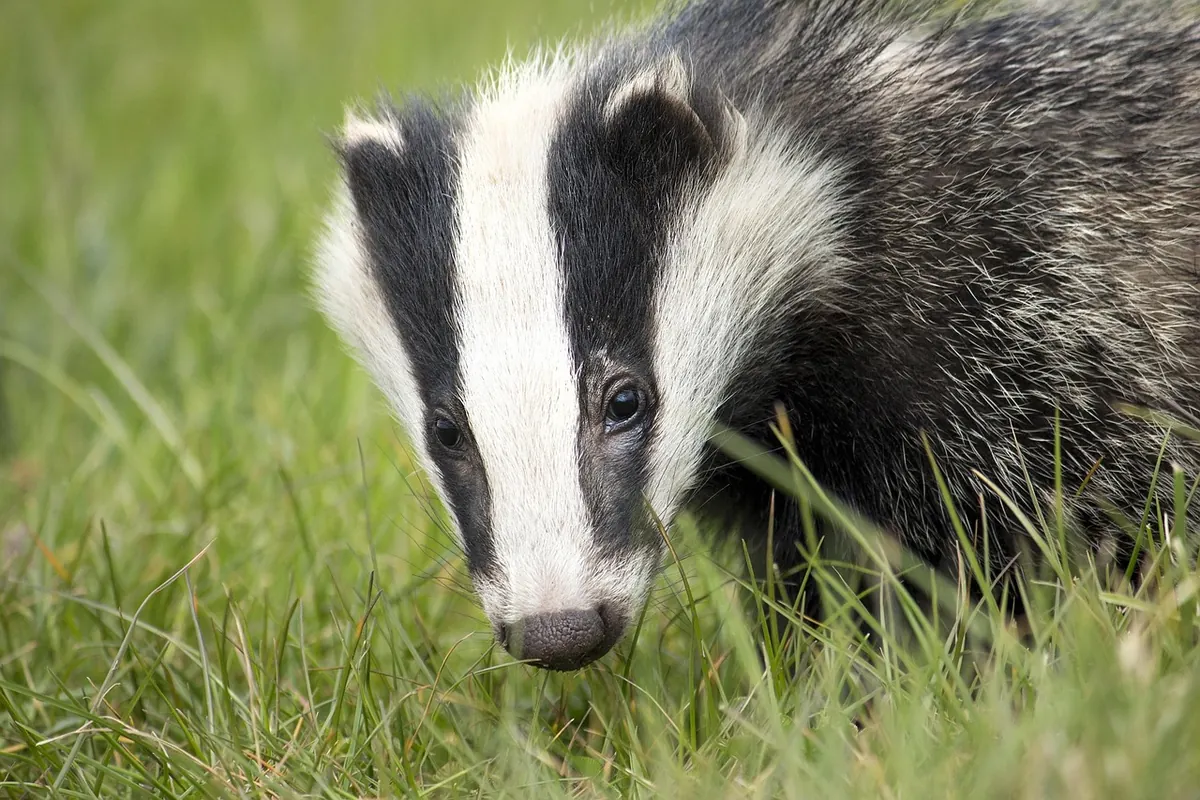
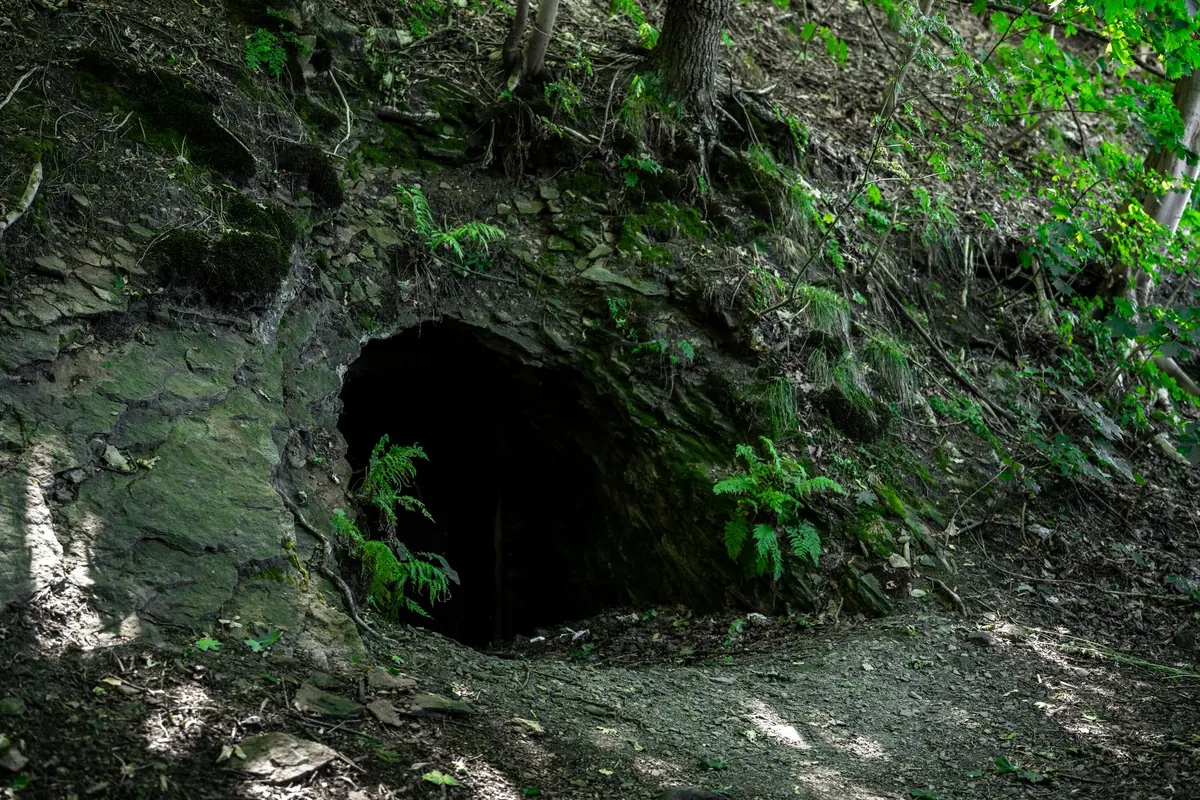
A badger sett at dusk is one of the quietest sights in the British countryside. It has also been one of the most contested. For more than a decade, the question of whether killing badgers can reduce bovine tuberculosis in cattle has divided farmers, vets, conservationists and neighbours who once shared a parish newsletter without argument. The dispute was never only about wildlife. It is about livelihoods, animal suffering, public money, and how far we should act on evidence that is genuinely mixed.
Why badgers are in the frame at all
Bovine TB is caused by Mycobacterium bovis. In cattle it means compulsory testing, movement restrictions and the slaughter of affected animals, with compensation that rarely covers the full loss. Badgers can carry the bacterium and can pass it on, and there is solid evidence of transmission in both directions between badgers and cattle. In some parts of the country badgers act as a wildlife reservoir that keeps reinfecting herds.
That is not the whole story. Cattle-to-cattle spread, the movement of infected animals between farms, and gaps in on-farm biosecurity all do a great deal of the work. Outbreaks occur in areas with no badgers at all. Any honest account of the disease has to hold both facts at once.
What the culling trials actually showed
The Randomised Badger Culling Trial, run across parts of England in the 2000s, remains the largest experiment of its kind. Its findings were uncomfortable for everyone. Inside areas where badgers were culled, confirmed TB breakdowns in cattle fell. On the edges of those same areas, breakdowns rose.
Perturbation, briefly
The explanation is known as perturbation. Badger social groups are tight and territorial; when you remove individuals, survivors roam further and mix with neighbouring groups, carrying infection outwards. The result was a modest benefit in the middle and a real cost around the rim. The Independent Scientific Group that oversaw the trial concluded that culling could make no meaningful contribution to controlling TB in cattle on its own.
Vaccination: real progress, real limits
Badger BCG is licensed for use in badgers and is delivered by trained, licensed operators who trap animals humanely, inject them, mark them and release them. It is the most promising non-lethal tool available. It is also slower and messier than headlines suggest.
- It prevents, it does not cure. Vaccinating a badger that is already infected will not clear the infection.
- Protection is partial. Vaccinated badgers are less likely to develop TB, but the effect is not absolute and it builds at population level over years, not months.
- It complicates testing. Vaccinated animals can react to some diagnostic tests, which makes surveillance harder to interpret.
- It is labour-intensive. Catching and injecting enough badgers across a large area takes people, licences, funding and patience.
Wales has leaned heavily on vaccination after a limited cull in one defined area. In England, vaccination has increasingly been used in edge zones around cull areas. Neither approach is cheap, and neither works unless cattle measures are tightened at the same time.
The main sticking points
- Does it work? Culling can lower breakdown rates locally, but edge effects, cost and the scale of effort needed complicate the case.
- Welfare. Free shooting and cage trapping both carry a risk that animals are wounded rather than killed cleanly. That concerns many people who are otherwise open to disease control.
- Money. Culling has been expensive for the public purse and for the farmers who contribute to costs. Vaccination shifts the spending rather than removing it.
- Farming reality. A breakdown can shut a herd down for months and take years to recover from. Farmers who have lost cattle often feel their side of the story is unheard.
- Wildlife protection. Badgers are legally protected, and sett interference, baiting and persecution continue for reasons that have nothing to do with TB.
Where policy sits now
England has been moving away from licensing new intensive culls and towards a combination of badger vaccination, tougher cattle testing and movement controls, and improved biosecurity. Wales has pursued a vaccination-led approach. Scotland has never licensed culling and has kept cattle TB at low levels mainly through cattle controls. Northern Ireland has used a mixture of badger measures and cattle testing.
Policy in this area changes with ministers, reviews and budgets, so treat any summary as a snapshot. If you need the current position for a farm, a licence or a planning matter, check the latest Defra and devolved government publications directly rather than relying on news reports.
What it means for badger conservation
One quiet side effect of the whole argument is that we know far more about badgers than we did. More setts have been recorded, more surveyors trained, more people able to recognise a latrine or a well-worn path. That is useful, because badgers face plenty of pressures that never make the news: road mortality, habitat fragmentation, development on setts, and illegal persecution.
Under the Protection of Badgers Act 1992, it is an offence to kill, injure or take a badger, or to interfere with a sett, without a licence. That protection has not stopped illegal activity. Recording and reporting disturbance to the police or a local badger group remains one of the most practical things anyone can do.
How to follow the debate without losing the plot
- Go to the evidence. Defra and APHA publish TB statistics down to county level, and the culling trial papers are freely available.
- Split the questions. Does it work? Is it humane? Is it affordable? Is it fair to farming families? A strong answer to one does not settle the others.
- Look at your own area. TB incidence varies enormously by region, and so does the case for any particular measure.
- Support practical work. Local badger groups, vaccination projects, wildlife crime reporting and farm biosecurity advice all make a measurable difference.
- Keep welfare in view. Any intervention involving wild animals deserves scrutiny of how it is carried out, not just whether it is.
- Use the professionals. Veterinary and legal questions belong with your vet, APHA or a licensed ecological consultant, not with a comment thread.
Whatever happens to policy, badgers will carry on being badgers — nocturnal, territorial, and stubbornly good at surviving in a crowded landscape. Protecting them does not depend on the cull argument being won or lost. That case stands perfectly well on its own.
Photo: Bohdan Hyrovych / Pexels
You Might Also Like
A practical, humane guide to fencing, gates, buried mesh and non-harmful deterrents that protect your garden boundary while respecting protected badgers.
Most badger cubs found alone are not orphaned. Here is how to tell when a cub genuinely needs help, why you should not handle it, and who to call.